
Economist: Major risks overshadow European economic growth
An analysis by OP Group, Finland’s largest financial services group, shows that the global economic outlook is currently worse than it was a year ago. At present, the European economy is being impacted by a number of significant factors, including the trade war with the US, the war in Ukraine, and the broader geopolitical situation.
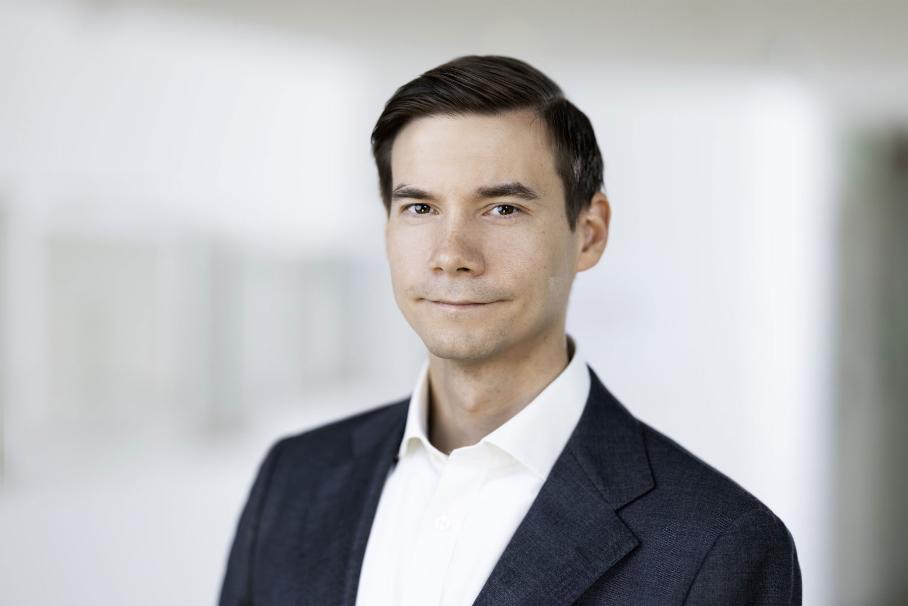
"Since the end of last year, both global and European economic forecasts have been revised downwards. While global GDP growth was originally forecast at 3% last year, it has now fallen to 2.5%. At the beginning of this year, forecasts were affected by uncertainty about possible tariffs, but now the announced customs duties are also having an impact. Therefore, the economic outlook is currently mainly being affected by the trade war between the US and the rest of the world," said Joona Widgren, Senior Economist at OP Group.
According to forecasts, the regional impact of tariffs will be relatively evenly distributed across the European Union. In Estonia, the impact of tariffs will remain at the EU average, whereas in Latvia and Lithuania it will be slightly lower. However, Italy, Ireland and Iceland will experience a slightly greater impact.
In addition to the ongoing trade war, broader geopolitical issues also play a role. Economic activity is affected by tensions in the Middle East, Ukraine, and elsewhere. However, a potential ceasefire or peace in Ukraine could have a positive impact on the economy.
"The end of the war would bring with it greater demand. For example, there would be demand for the raw materials, labour, and other resources needed to rebuild Ukraine. While the impact on the European economy would be limited, we could nevertheless see raw materials becoming more expensive. On a positive note, peace would boost confidence among private consumers and businesses alike, encouraging investment and consumption," Widgren explained, adding that it is also possible that many Ukrainians may leave their current jobs and return home. However, the extent of this impact is difficult to assess at the moment.
In addition, Widgren pointed out that the end of the war could also affect energy prices: "Although no agreement has been reached yet, it is likely that Russian gas will return to the European market at some point, causing energy prices to fall."
The forecast for the Estonian economy is cautiously positive. Although the Estonian economy has long shown negative growth figures, the first signs of a gradual recovery were visible at the end of last year. Private consumption is increasing slightly, inflation is slowing down, and the labour market remains stable.